
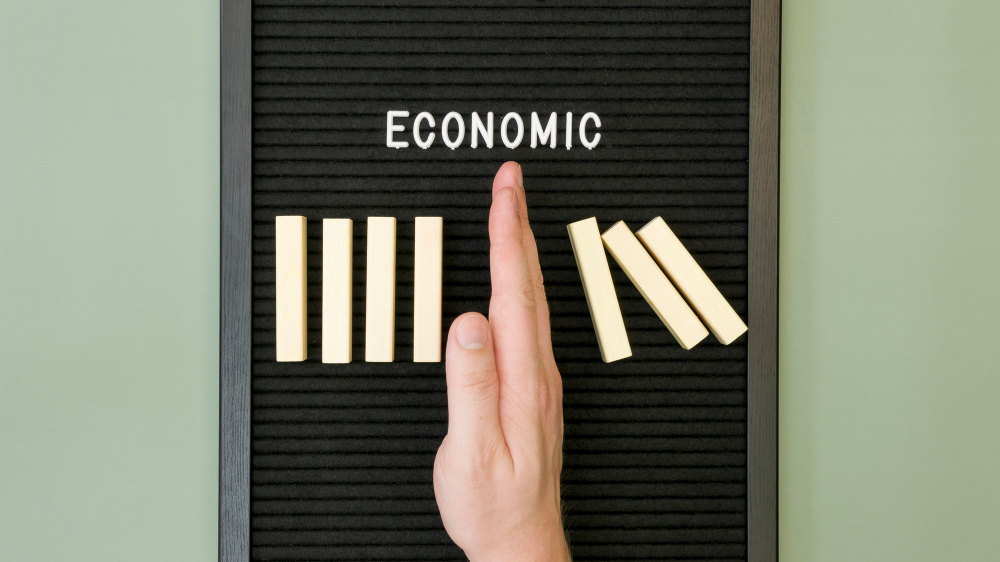
The narrative surrounding the world’s second-largest economy has shifted dramatically over the last half-decade. Where once there was an expectation of perpetual double-digit expansion, 2026 marks a year of sobering reality for China. The economic slowdown is not merely a cyclical dip or a temporary post-pandemic hangover; it represents a structural transformation driven by deep-seated demographic shifts, a painful deleveraging of the property sector, and a complex geopolitical landscape. Understanding why China’s economy is slowing down in 2026 requires looking beyond headline GDP figures to examine the intricate machinery of its industrial policy, consumer behavior, and global trade dynamics. This analysis dissects the multifaceted drivers of this deceleration, offering a clear picture of the challenges facing Beijing and the implications for the global market.
The Demographic Headwind: A Shrinking Workforce and Aging Society
Perhaps the most immutable factor contributing to China’s economic deceleration in 2026 is its demographic trajectory. The consequences of the decades-long one-child policy, combined with rising living costs and changing social norms, have culminated in a shrinking workforce and a rapidly aging population. By 2026, the dependency ratio—the number of non-working age individuals relative to the working-age population—has reached levels that place immense strain on social security systems and reduce the labor supply available for manufacturing and services.
Data from the National Bureau of Statistics of China consistently highlights a contraction in the prime working-age cohort. This shrinkage removes a primary engine of past growth: the “demographic dividend” that fueled cheap labor and massive urbanization for thirty years. As the workforce contracts, wage pressures naturally rise, eroding the cost advantage that made China the “factory of the world.” Simultaneously, an aging population shifts consumption patterns away from housing and durable goods toward healthcare and pension services, sectors that do not generate the same multiplier effect on GDP as infrastructure and real estate development.
The impact is visible in the slowing productivity growth. With fewer young workers entering the market, the rate of innovation and adaptation in labor-intensive industries has plateaued. While automation and artificial intelligence are being deployed to offset labor shortages, the transition is costly and time-consuming. The World Bank has noted that without significant productivity gains to counteract demographic decline, potential growth rates will inevitably fall. In 2026, this theoretical limit is becoming a practical reality, capping annual expansion regardless of stimulus measures.
Furthermore, the aging society creates a fiscal drag. Government resources are increasingly diverted to fund pensions and elderly care, leaving less capital for infrastructure investment or technological subsidies. This reallocation is necessary for social stability but acts as a brake on aggressive economic expansion. The demographic reality is not a temporary cycle but a long-term structural constraint that defines the ceiling for China’s growth potential in the mid-2020s and beyond.
The Property Sector Crisis: From Growth Engine to Drag
For two decades, real estate was the cornerstone of China’s economic model, accounting for nearly 30% of GDP when including related industries like steel, cement, and home appliances. In 2026, this sector has transformed from a primary growth driver into a significant drag on the economy. The prolonged correction following the collapse of major developers in the early 2020s has resulted in a persistent crisis of confidence, oversupply in lower-tier cities, and a massive debt overhang that continues to weigh on financial institutions.
The strategy of “deleveraging,” initiated to reduce systemic risk, has had the unintended consequence of freezing liquidity in the property market. Despite various policy attempts to stabilize prices and ensure the completion of pre-sold homes, buyer sentiment remains fragile. According to reports from the International Monetary Fund (IMF), the adjustment process in China’s property sector is likely to be protracted, with prices stabilizing only after a significant period of consolidation. In 2026, many households find their net worth tied up in depreciating assets, leading to a negative wealth effect that suppresses consumer spending.
Construction activity has slowed markedly as local governments, heavily reliant on land sales for revenue, face diminishing returns. The era of building ghost cities and expansive new districts has ended, replaced by a focus on completing existing projects and managing inventory. This shift means that the massive capital inflows that once poured into concrete and steel are no longer circulating through the economy at the same velocity. The ripple effects are felt across the supply chain, from raw material producers to logistics companies, all experiencing reduced demand.
Moreover, the financial sector remains exposed to property-related bad loans. Banks and shadow banking entities are cautious about extending new credit, fearing further defaults. This credit crunch stifles not only property developers but also small and medium-sized enterprises (SMEs) that rely on real estate collateral for financing. The Bank for International Settlements (BIS) has highlighted the interconnectedness of China’s property debt and the broader financial system, noting that a slow resolution of these balance sheet issues will continue to dampen economic momentum throughout 2026. The transition away from a property-led growth model is essential for long-term health, but the short-to-medium-term pain is a primary culprit behind the current slowdown.
Geopolitical Friction and the Fragmentation of Trade
The external environment for China in 2026 is markedly more hostile than in previous decades. Escalating geopolitical tensions, particularly with the United States and the European Union, have led to a fragmentation of global trade networks. Tariffs, export controls, and investment restrictions have tightened, limiting China’s access to critical technologies and high-value markets. This decoupling, or “de-risking” as Western nations term it, forces Chinese manufacturers to navigate a increasingly complex web of trade barriers, raising costs and reducing efficiency.
Advanced technology sectors, such as semiconductors, artificial intelligence, and quantum computing, face stringent export controls that hinder China’s ability to upgrade its industrial base. The U.S. Department of Commerce has maintained and expanded entity lists that restrict Chinese firms from acquiring cutting-edge chips and manufacturing equipment. While Beijing has poured resources into achieving self-sufficiency, the reality in 2026 is that domestic alternatives still lag behind global leaders in performance and yield. This technological bottleneck constrains productivity growth in high-tech industries, which were expected to be the new engines of growth replacing low-end manufacturing.
Supply chain reconfiguration is another significant factor. Multinational corporations, seeking to mitigate risk, have accelerated the diversification of their supply chains away from China to countries like Vietnam, India, and Mexico. This “China Plus One” strategy has reduced foreign direct investment (FDI) into China and diminished its role as the central hub of global manufacturing. Data from the United Nations Conference on Trade and Development (UNCTAD) indicates a noticeable shift in FDI flows, with emerging markets in Southeast Asia capturing a larger share of new manufacturing capacity.
Export volumes, once a reliable pillar of growth, have become more volatile. While China remains a dominant exporter, the growth rate of shipments to traditional Western markets has stagnated or declined. Beijing has attempted to pivot towards the Global South, strengthening ties with nations in Africa, Latin America, and Southeast Asia through the Belt and Road Initiative. However, these markets often lack the purchasing power to fully offset the loss of demand from advanced economies. The Peterson Institute for International Economics (PIIE) argues that while trade diversion offers some relief, it cannot fully compensate for the structural headwinds created by geopolitical fragmentation, contributing significantly to the overall economic slowdown in 2026.
The Confidence Crisis: Deflationary Pressures and Consumer Caution
Beyond structural and external factors, a pervasive lack of confidence among consumers and private businesses has entrenched deflationary pressures in the Chinese economy. In 2026, despite low interest rates and government incentives, household savings rates remain near historic highs while consumption growth lags. This paradox reflects a deep-seated uncertainty about future income stability, job security, and the value of assets.
The private sector, which historically contributed the majority of job creation and innovation, has been hesitant to expand. Regulatory uncertainties in previous years, combined with the current economic headwinds, have led many entrepreneurs to adopt a defensive posture. Investment in new ventures has slowed, and hiring freezes are common in tech and service sectors. The Organisation for Economic Co-operation and Development (OECD) notes that restoring private sector confidence is critical for reigniting growth, yet the path to doing so remains fraught with challenges. Without robust private investment, the economy relies too heavily on state-directed spending, which is often less efficient and sustainable.
Deflation, or the sustained decrease in the general price level, has become a recurring theme. While falling prices might seem beneficial to consumers, they signal weak demand and can lead to a vicious cycle where consumers delay purchases in anticipation of further price drops. This behavior suppresses corporate revenues, forcing companies to cut costs and wages, which further reduces consumption. The People’s Bank of China has struggled to stimulate inflation to healthy levels, with monetary policy transmission mechanisms appearing impaired.
Youth unemployment remains a sensitive and critical issue. Even with official statistics undergoing methodological adjustments, the difficulty for fresh graduates to find high-quality employment contributes to the sentiment of economic malaise. High skills mismatch and a saturation of white-collar roles in traditional sectors leave many young people on the sidelines of the economy. This underutilization of human capital not only reduces current output but also poses long-term risks to innovation and social stability. The Asian Development Bank (ADB) emphasizes that addressing youth employment and boosting household income are prerequisites for shifting the economy toward a consumption-driven model, a transition that remains incomplete in 2026.
Industrial Overcapacity and the Limits of State-Led Growth
In response to slowing domestic demand and property woes, Beijing has doubled down on manufacturing, particularly in “new productive forces” such as electric vehicles (EVs), batteries, and solar panels. While these industries represent technological advancements, they have also led to significant overcapacity. In 2026, the sheer volume of production in these sectors far outstrips both domestic and global demand, leading to fierce price wars and collapsing profit margins.
This state-subsidized expansion has created distortions in the market. Local governments, eager to meet industrial targets, have provided cheap land, energy, and credit to manufacturers, encouraging excessive entry and investment. The result is a glut of supply that depresses prices globally, triggering trade backlash from other nations. The European Commission has launched investigations and imposed tariffs on Chinese EVs and green tech products, citing unfair subsidization and overcapacity. These trade defenses limit the ability of Chinese firms to export their way out of the domestic slump.
The reliance on state-led investment also highlights the diminishing returns of capital. As the economy matures, pouring money into infrastructure and heavy industry yields less growth per unit of investment compared to the past. Much of the new capacity adds little value if the end products cannot be sold at profitable prices. This inefficiency drags down overall total factor productivity. The Center for Strategic and International Studies (CSIS) analyzes how China’s industrial policy, while successful in building scale, now faces the challenge of transitioning from quantity to quality without causing severe market dislocations.
Moreover, the focus on heavy industry and manufacturing comes at the expense of the service sector, which typically drives employment and consumption in advanced economies. By prioritizing supply-side expansion over demand-side support, the economic structure remains unbalanced. Households receive a smaller share of national income, limiting their ability to consume the very goods being produced in record numbers. This structural imbalance is a fundamental reason why the economy is struggling to find a new equilibrium in 2026, as the old model of investment-led growth has exhausted its potential, and the new model of consumption-led growth has not yet taken hold.
Comparative Analysis: China’s Economic Indicators (2021 vs. 2026)
To visualize the magnitude of the shift, the following table compares key economic indicators from the post-pandemic recovery phase to the structural slowdown observed in 2026.
| Indicator | 2021 Status | 2026 Status | Trend Implication |
|---|---|---|---|
| GDP Growth Rate | ~8.1% (Recovery Bounce) | ~3.5% – 4.0% (Structural Slowdown) | Transition from high-speed to moderate-quality growth. |
| Real Estate Contribution | High; Primary growth driver | Negative; Major drag on GDP | Shift away from property-dependent economy. |
| Demographic Trend | Early signs of aging | Active workforce contraction | Labor shortage and increased dependency ratio. |
| Consumer Sentiment | Cautious Optimism | Low Confidence / High Savings | Deflationary pressure and weak domestic demand. |
| Export Dynamics | Strong global demand | Fragmented markets / Trade barriers | Impact of geopolitical decoupling and tariffs. |
| Youth Unemployment | Elevated but manageable | Structural Mismatch / High | Skills gap and saturation in traditional sectors. |
| Industrial Policy | Tech self-sufficiency push | Overcapacity in Green Tech | Global trade friction due to supply glut. |
| Debt Levels | Rising corporate/local debt | Deleveraging ongoing | Credit crunch and reduced investment appetite. |
| FDI Inflows | Robust | Declining / Diversifying | Supply chain relocation to other Asian markets. |
| Inflation Rate | Moderate | Near Zero / Deflationary | Weak demand signaling economic cooling. |
Data synthesized from reports by the IMF, World Bank, and National Bureau of Statistics of China.
Navigating the Path Forward: Strategic Adjustments
The slowdown in 2026 is not a signal of collapse but rather a painful correction toward a more sustainable, albeit slower, growth trajectory. For policymakers, the challenge lies in managing the transition without triggering a hard landing. This involves balancing the need to deflate property bubbles with the necessity of supporting household incomes to boost consumption. Structural reforms that enhance the social safety net, liberalize the service sector, and improve the allocation of capital are essential.
For global investors and businesses, understanding this new normal is crucial. The era of betting on ubiquitous Chinese growth is over; the focus must shift to specific sectors that align with Beijing’s long-term priorities, such as advanced manufacturing, green energy, and silver economy services catering to the elderly. However, these opportunities come with heightened geopolitical and regulatory risks that require careful navigation.
The Brookings Institution suggests that China’s future success depends on its ability to foster innovation through market mechanisms rather than state directives alone. Encouraging private enterprise, protecting intellectual property, and integrating more deeply with global standards (where possible) could help restore confidence. Meanwhile, the rest of the world must adapt to a China that is less of a voracious importer of commodities and more of a competitor in high-tech exports, reshaping global trade patterns permanently.
Frequently Asked Questions
1. Is China’s economy in recession in 2026?
Technically, no. A recession is typically defined as two consecutive quarters of negative GDP growth. China continues to register positive growth, albeit at a much slower pace (around 3.5% to 4%) compared to historical standards. However, for many citizens and businesses, the economic conditions feel recessionary due to stagnant wages, job insecurity, and falling asset prices. The distinction lies between macroeconomic statistics and microeconomic reality.
2. What is the primary cause of the slowdown?
There is no single cause; it is a confluence of structural factors. The three main drivers are the demographic decline (shrinking workforce), the prolonged crisis in the real estate sector, and geopolitical tensions that have disrupted trade and technology access. These factors reinforce each other, creating a complex web of challenges that simple stimulus measures cannot easily fix.
3. How does the property crisis affect the average citizen?
For the average Chinese household, real estate constitutes the majority of their wealth. The decline in property values has created a negative wealth effect, making people feel poorer and thus less willing to spend. Additionally, the crisis has led to job losses in construction and related industries, and fears of unfinished homes have made consumers wary of buying new properties, further freezing the market.
4. Can China transition to a consumption-led economy?
This is the stated goal of Beijing’s long-term planning, but the transition is proving difficult. It requires shifting income distribution from the state and corporate sector to households, which implies deep structural reforms in taxation, social security, and financial systems. In 2026, consumption remains subdued because households prioritize saving over spending due to uncertainty about the future.
5. How are geopolitical tensions impacting China’s growth?
Geopolitical friction has led to trade barriers, technology sanctions, and a diversification of global supply chains away from China. This limits China’s access to advanced technologies needed for industrial upgrading and reduces export growth to Western markets. While trade with the Global South is increasing, it has not yet fully compensated for the loss of high-value demand from developed economies.
6. What role does youth unemployment play in the slowdown?
High youth unemployment indicates a mismatch between the education system and the needs of the modern economy. It represents a waste of human capital and contributes to social instability. When young, educated individuals cannot find suitable work, their lifetime earning potential decreases, and their immediate consumption is suppressed, dragging down overall economic dynamism.
7. Is the Chinese government taking action to fix these issues?
Yes, the government has implemented various measures, including interest rate cuts, property market stabilization funds, and subsidies for high-tech manufacturing. However, these measures have had limited success so far because they often address symptoms rather than root causes. Analysts suggest that more bold structural reforms regarding household income and private sector rights are needed to restore long-term confidence.
8. What are the implications for the global economy?
A slowing China affects the global economy through reduced demand for commodities, lower growth in multinational corporations reliant on Chinese sales, and deflationary export pressures. Conversely, it accelerates the shift of manufacturing to other countries. Global markets must adjust to a China that grows more slowly but remains a massive, albeit changing, player in the international system.
9. Will China’s growth rate continue to fall?
Most economists project that China’s potential growth rate will continue to trend downward over the next decade as demographic headwinds intensify and the economy matures. Achieving high-quality growth at lower speeds is the new objective, rather than chasing double-digit expansion. The focus is shifting from speed to sustainability and technological self-reliance.
10. Is investment in China still viable for foreign entities?
Investment opportunities still exist but are more selective. Sectors aligned with government priorities like green energy, elderly care, and advanced manufacturing offer potential, but they come with regulatory and geopolitical risks. Investors are increasingly adopting a “in China, for China” strategy, focusing on the domestic market rather than using China as an export base, while simultaneously diversifying supply chains elsewhere.
Conclusion
The economic slowdown characterizing China in 2026 is a definitive moment in modern economic history, marking the end of an era defined by breakneck expansion and the beginning of a complex, challenging transition. It is a phenomenon rooted not in temporary shocks, but in profound structural shifts: a demographic tide that cannot be turned, a property bubble that must deflate, and a global order that is increasingly fragmented. While the narrative of inevitable dominance has been tempered by reality, China remains a colossal economic force. The deceleration does not signify stagnation but rather a painful recalibration as the nation attempts to pivot from an investment-heavy, export-oriented model to one driven by innovation and domestic consumption.
For the global community, a slower-growing China presents both risks and opportunities. It demands a reevaluation of supply chains, investment strategies, and diplomatic engagements. The deflationary export of Chinese overcapacity will continue to test trade relationships, while the shrinking Chinese consumer market will alter the prospects for global luxury and tech brands. Yet, within this slowdown lies the potential for a more mature, sustainable economy if Beijing can successfully navigate the treacherous waters of reform. The path forward requires courage to implement deep structural changes that prioritize household welfare and market efficiency over state control. As 2026 unfolds, the world watches not just for signs of recovery, but for evidence that the world’s second-largest economy can successfully reinvent itself for a new, more constrained reality. The story of China’s economy is no longer about how fast it can grow, but how well it can adapt to a world that has fundamentally changed around it.