Great Wall of China - A Marvel of Ancient Architecture
History, Architecture, Facts, Visit tips and more...
Introduction
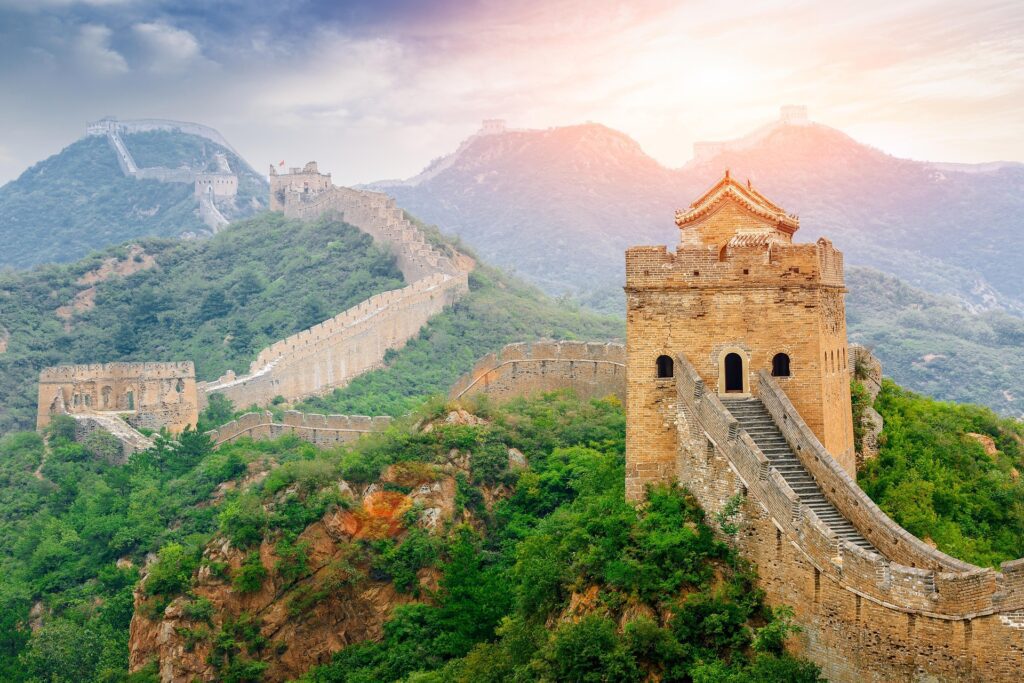
The Great Wall of China, one of the most iconic structures in the world, stretches over 13,000 miles across China’s northern landscape. It’s a symbol of China’s rich history and remarkable engineering prowess.
Built over several dynasties, the Great Wall stands as a testament to human ingenuity and the determination of the Chinese people. This historical landmark not only draws millions of tourists from around the world but also holds immense cultural significance. In this article, we will explore the history, construction, significance, and modern-day relevance of the Great Wall of China.
History of the Great Wall of China
The Great Wall of China was initially built by the first Emperor of China, Qin Shi Huang, during the Qin Dynasty (221–206 BC). However, the wall we see today is primarily the result of work done during the Ming Dynasty (1368–1644). Originally intended to protect China from nomadic invasions, the Great Wall was not a single continuous wall, but rather a series of walls and fortifications built by different rulers over many centuries.
The wall’s construction is divided into several phases, each with its own strategic importance. The early walls were made from materials like wood, earth, and bamboo, while later walls used bricks and stone, making the wall much more durable.
Architecture and Construction of the Great Wall
The Great Wall’s architecture varies across different regions, depending on local resources. In the western sections, where stone was scarce, the wall was constructed using rammed earth, while in the eastern sections, where stone and brick were available, the wall was built more solidly with these materials. The wall itself is not a uniform structure but consists of watchtowers, barracks, and gates, making it a sophisticated military defense system.
At its highest points, the wall can reach up to 26 feet (8 meters) in height, and in some places, it is wide enough for five horses to walk side by side. The wall is punctuated by more than 25,000 watchtowers and fortresses, which were used for signaling and guarding against invaders. The wall was designed not just as a physical barrier but also as a psychological one, meant to demoralize any would-be invaders.
Why Was the Great Wall Built?
The primary purpose of the Great Wall was to protect China’s northern borders from raids by various nomadic groups such as the Mongols and the Xiongnu. These groups frequently threatened China’s security and stability, so the wall served as a defense mechanism.
Over time, the Great Wall also played a role in regulating trade and immigration. Along its vast expanse, the wall had various gates and passes, through which traders and travelers could enter China, contributing to the development of the Silk Road and facilitating cultural exchange.
The Great Wall of China Today
Today, the Great Wall of China is one of the most popular tourist attractions in the world, drawing millions of visitors annually. The wall has been recognized as a UNESCO World Heritage site and is considered one of the Seven Wonders of the Medieval World.
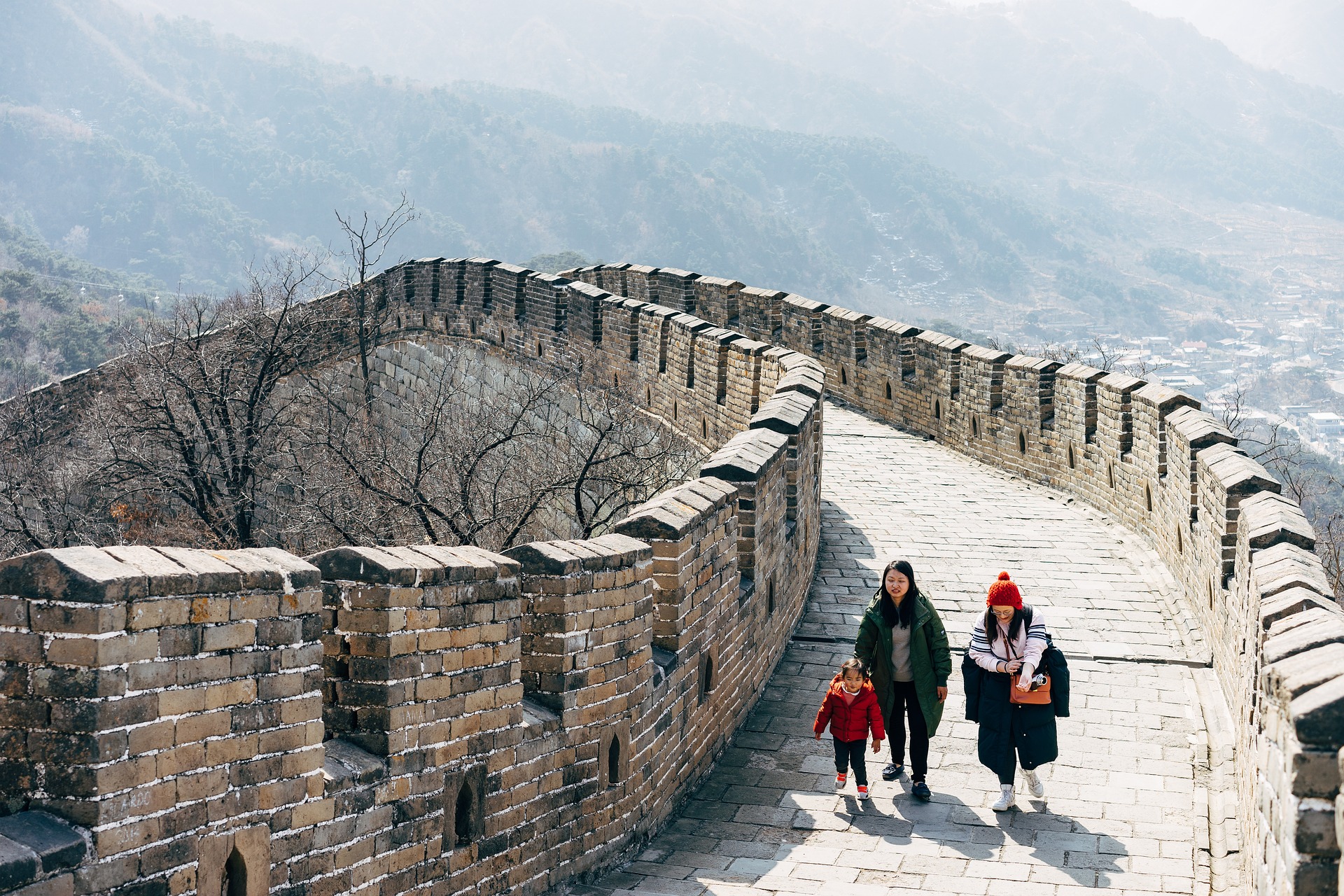
Despite being over 2,000 years old, the Great Wall remains an engineering marvel. Parts of the wall have been restored, with popular sections like Badaling and Mutianyu being easily accessible to tourists. However, many sections of the wall are in disrepair, offering visitors a chance to experience the wall in a more rugged, natural state.
Interesting Facts About the Great Wall of China
The Great Wall of China was not just a wall but a complex military defense system, including watchtowers, fortresses, and signal fires.
The wall is often said to be visible from space, though this is a myth. However, it can be seen from low Earth orbit under the right conditions.
It took over 2,000 years to complete the entire wall.
The wall was originally built using earth, wood, and bamboo before more permanent materials like brick and stone were used.
How to Visit the Great Wall of China
When visiting the Great Wall, the most popular and accessible sections are located near Beijing, including Badaling, Mutianyu, and Jinshanling.
These sections offer well-preserved paths, clear signage, and amenities for tourists. For a more rugged adventure, consider visiting the less-traveled sections like Simatai or Gubeikou.
Tips for visiting the Great Wall:
Wear comfortable shoes for walking, as the wall can be steep and uneven in many sections.
Visit early in the morning or late afternoon to avoid the large crowds, especially during the peak tourist season (April to October).
Consider hiring a local guide to learn more about the history and significance of the wall.
Conclusion
The Great Wall of China is not only a historical and cultural symbol of China’s strength and resilience but also a remarkable feat of ancient engineering. Whether you are interested in history, architecture, or just seeking an unforgettable travel experience, the Great Wall offers something for everyone. A visit to this breathtaking landmark provides a unique opportunity to connect with one of the world’s most impressive and enduring structures.