
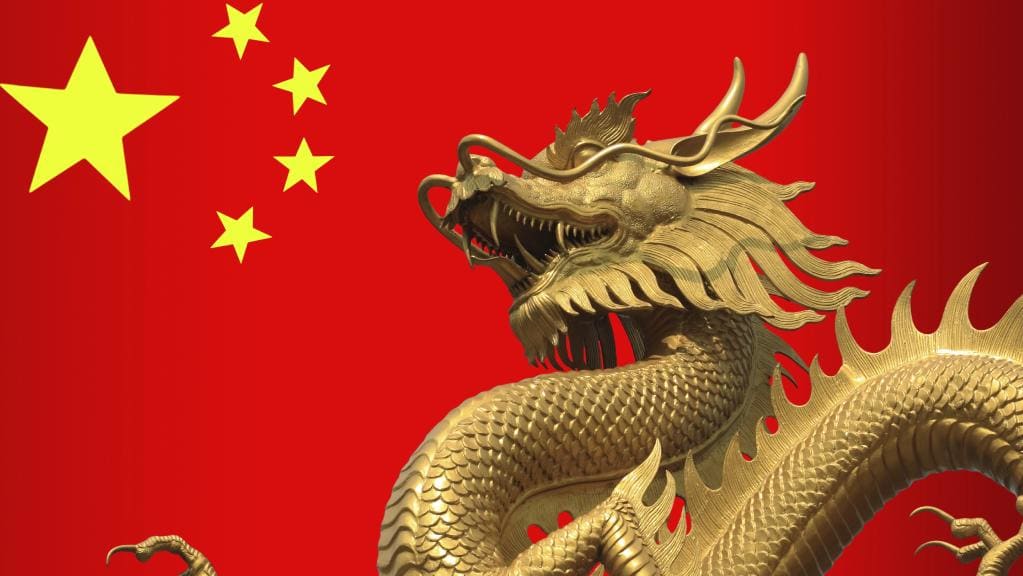
Understanding the political machinery of the People’s Republic of China often feels like trying to read a map written in a code that changes depending on who is holding it. To the outside observer, the system can appear monolithic—a single, unbreakable block of power. However, beneath the surface lies a complex, highly structured, and deeply institutionalized framework that blends Marxist-Leninist ideology with distinct Chinese characteristics and modern bureaucratic pragmatism. It is a system where the Communist Party of China (CPC) does not merely participate in governance; it is the governance, weaving itself into every layer of the state, military, and society. To grasp how decisions are made, how power is transferred, and how policy is implemented across a nation of 1.4 billion people, one must look beyond the headlines and examine the intricate interplay between the Party, the State, and the people.
The Dual Structure: Party and State Intertwined
The fundamental key to unlocking the Chinese political system is understanding the “party-state” dual structure. Unlike Western democracies where political parties compete for control of the state apparatus, in China, the CPC and the state government operate as two parallel tracks that are inextricably linked. The Party sets the direction, ideology, and major personnel decisions, while the state apparatus executes these directives through laws, regulations, and administrative actions. This relationship is often summarized by the principle that “the Party leads everything.”
At the apex of this structure sits the National People’s Congress, constitutionally defined as the highest organ of state power. In theory, it holds the legislative authority, approves the budget, and elects key state leaders. However, in practice, the NPC functions largely to ratify decisions already made within the upper echelons of the Communist Party. The real engine of decision-making is the Party hierarchy, which runs parallel to the state government. For instance, every level of government, from the central ministries down to a village committee, has a corresponding Party committee that holds the ultimate authority. This ensures that policy implementation remains aligned with the central leadership’s vision, creating a unified chain of command that stretches from Beijing to the most remote regions.
This duality can be confusing for those accustomed to the separation of powers. In China, the separation is functional rather than political. The state handles the “how” of administration, while the Party determines the “what” and “who.” This integration was further solidified in recent years through institutional reforms that merged certain Party and state offices to streamline efficiency and reduce bureaucratic friction. The result is a system where political loyalty and administrative competence are viewed as two sides of the same coin, ensuring that the machinery of government moves in lockstep with the Party’s strategic goals as outlined in documents like the Party Constitution.
The Pyramid of Power: From the Politburo to the Grassroots
At the very top of the Chinese political pyramid stands the Politburo Standing Committee, a group of usually seven individuals who wield the most significant power in the country. This small body makes the critical decisions on national security, economic strategy, and major personnel appointments. The head of this committee serves as the General Secretary of the CPC, a role that, in the contemporary era, is concurrently held by the President of the PRC and the Chairman of the Central Military Commission. This convergence of titles in one individual ensures a centralized command structure, eliminating potential power struggles between the party, state, and military leadership.
Below the Standing Committee is the broader Politburo, consisting of about two dozen members, which meets regularly to discuss and decide on major issues. These members are typically drawn from the Central Committee, a body of roughly 200 full members that includes top provincial leaders, ministers, and military commanders. The Central Committee convenes at least once a year for plenary sessions, which are crucial events where major policy shifts are often announced to the public. The proceedings and outcomes of these meetings are closely watched by analysts worldwide, as they provide the roadmap for China’s development over the coming years, detailed in official reports released by Xinhua News Agency.
The reach of this hierarchy extends deep into the fabric of society. Every province, municipality, county, and township has its own Party committee, mirroring the structure at the center. These local committees are responsible for implementing central policies while managing local affairs. This creates a system of “fragmented authoritarianism,” where local leaders have significant autonomy in how they achieve targets set by Beijing, leading to varied experimental approaches across different regions. For example, economic zones in Shenzhen might adopt aggressive market reforms, while other regions focus on ecological conservation, all under the overarching guidance of the central Party line. This decentralization of execution allows the system to test policies on a small scale before rolling them out nationally, a method often credited for China’s rapid economic adaptation.
The Role of Ideology and Adaptation
Ideology plays a pivotal role in legitimizing the CPC’s rule and guiding its policy directions. Since its founding, the Party has evolved its ideological framework to suit changing historical circumstances. While Marxism-Leninism remains the theoretical foundation, it has been significantly adapted to fit Chinese realities. This evolution is encapsulated in the concept of “Socialism with Chinese Characteristics,” a framework that allows for market mechanisms and private enterprise within a socialist political structure. This ideological flexibility has been crucial for the Party’s survival and success, enabling it to oversee unprecedented economic growth while maintaining strict political control.
The current ideological landscape is heavily influenced by the thought of the current leadership, which is enshrined in both the Party Constitution and the state constitution. This emphasizes national rejuvenation, the rule of law (within the Party framework), and a more assertive role for China on the global stage. Education and propaganda systems are employed extensively to ensure that these ideological tenets are disseminated throughout society, from university classrooms to community centers. The Ministry of Education oversees curricula that integrate political education, ensuring that younger generations understand and align with the Party’s vision for the future.
Critically, ideology in China is not just abstract theory; it is a practical tool for governance. It provides a common language and set of goals that unify the vast bureaucracy. When economic policies shift, such as the move toward “common prosperity” or the regulation of tech giants, these moves are framed not just as economic adjustments but as fulfillments of socialist ideals. This framing helps garner public support and ensures that local officials understand the political imperative behind administrative orders. The ability to reinterpret ideology to meet contemporary challenges is a hallmark of the CPC’s resilience, allowing it to navigate the complexities of a modern global economy without abandoning its core political identity.
The Legislative and Advisory Bodies
While the Communist Party holds the reins of power, the state possesses formal institutions that provide a veneer of procedural democracy and broad consultation. The National People’s Congress (NPC) and its standing committee serve as the legislature. Composed of nearly 3,000 deputies elected from provinces, autonomous regions, and the military, the NPC meets annually for about two weeks. During this time, it reviews reports, passes laws, and approves the national budget. Although it rarely rejects proposals from the Party leadership, the NPC has become increasingly active in refining legislation and overseeing government performance. Specialized committees within the NPC conduct detailed reviews of draft laws, offering a platform for technical expertise and limited debate before final ratification.
Parallel to the NPC is the Chinese People’s Political Consultative Conference (CPPCC). This body is not a legislature but an advisory organ designed to foster unity and gather opinions from various sectors of society, including non-Communist parties, business leaders, academics, and representatives from ethnic minorities. The CPPCC operates on the principle of “multi-party cooperation and political consultation under the leadership of the CPC.” While these minor parties exist, they accept the CPC’s leadership and do not function as opposition groups. Instead, they offer specialized advice and critique within the boundaries of the established system. This mechanism allows the leadership to gauge sentiment among elites and incorporate diverse perspectives into policy formulation without risking political fragmentation. More details on the functions of these bodies can be found through resources provided by the China Daily.
These institutions serve a vital function in maintaining stability. By providing channels for feedback and participation, even if limited, the system mitigates the risk of alienating key stakeholders. The annual “Two Sessions,” where the NPC and CPPCC meet simultaneously, are a major event in the Chinese political calendar. They serve as a stage for announcing major policy initiatives and demonstrating the unity of the nation’s leadership. For observers, the discussions and press conferences during the Two Sessions offer valuable insights into the government’s priorities and the rationale behind upcoming reforms.
The Bureaucratic Engine and Civil Service
Executing the grand strategies devised by the Party leadership requires a massive and efficient bureaucracy. China’s civil service is one of the largest in the world, responsible for managing everything from infrastructure projects to social welfare programs. Recruitment into this bureaucracy is highly competitive, based primarily on meritocratic examinations that test knowledge of law, administration, and political theory. This emphasis on meritocracy ensures that the administrative ranks are filled with capable individuals who can navigate the complexities of governing a superpower.
The performance of local officials is rigorously monitored through a target-based responsibility system. Cadres at every level are given specific quotas and goals, ranging from GDP growth and investment attraction to environmental protection and social stability. Their career advancement depends heavily on meeting these targets. This system creates strong incentives for local leaders to drive economic development and maintain order, but it can also lead to short-termism or the manipulation of data to meet quotas. The central government continuously refines these evaluation metrics to align local behavior with national priorities, such as shifting focus from pure GDP growth to high-quality development and sustainability.
Transparency and accountability within the bureaucracy are enforced through internal disciplinary mechanisms. The Central Commission for Discipline Inspection (CCDI) is a powerful body tasked with rooting out corruption and ensuring adherence to Party rules. In recent years, anti-corruption campaigns have been extensive, targeting officials at all levels, including high-ranking “tigers.” These efforts serve a dual purpose: cleaning up the administration and reinforcing the Party’s image as a self-correcting entity committed to serving the people. The work of the CCDI is critical for maintaining public trust and ensuring that the bureaucratic machine does not become bogged down by graft or inefficiency. Further information on governance structures is often detailed in white papers released by the State Council Information Office.
Comparison of Key Political Bodies in China
To clarify the distinct roles and relationships within the Chinese political system, the following table outlines the primary functions and hierarchies of its core components.
| Body / Organization | Primary Function | Relationship to CPC | Key Responsibilities |
|---|---|---|---|
| Politburo Standing Committee | Supreme Decision Making | Core Leadership | Sets national strategy, major personnel appointments, crisis management. |
| National People’s Congress (NPC) | Legislature | Ratifies Party decisions | Enacts laws, approves budget, elects state presidents/premiers (formal). |
| State Council | Executive Branch | Implements Party policy | Manages ministries, administers daily governance, economic planning. |
| Central Military Commission (CMC) | Military Command | Party controls the gun | Commands the PLA, ensures military loyalty to the Party. |
| CPPCC | Advisory Body | Consultative forum | Gathers opinions from non-Party elites, fosters unity, advises on policy. |
| Central Commission for Discipline Inspection (CCDI) | Internal Oversight | Party police | Investigates corruption, enforces Party discipline, maintains purity. |
| Local Party Committees | Regional Governance | Local arms of the CPC | Implement central policies, manage local economies, maintain stability. |
This structural overview demonstrates how power is distributed and coordinated. While the CPC stands above all, each body has a specific lane of operation that contributes to the overall stability and direction of the country. The interplay between these entities ensures that while the center holds the vision, the various limbs of the state can function with necessary specialization.
Mechanisms of Stability and Control
A defining feature of the Chinese political system is its emphasis on stability. The trauma of the Cultural Revolution and the chaos of the early 20th century have ingrained a deep societal and political preference for order. The system employs various mechanisms to maintain this stability, blending hard power with soft governance. The legal system, while independent in name regarding civil and commercial matters, operates under the principle that the Party leads the rule of law. Courts are expected to align their rulings with broader social and political goals, ensuring that judicial outcomes do not undermine state authority or social harmony.
Social management techniques have also evolved with technology. The integration of digital surveillance, big data, and community grid management allows authorities to monitor and respond to social issues with unprecedented speed. This is not merely about repression; it is also about service delivery and conflict resolution at the grassroots level. Community committees often act as the first line of defense in resolving disputes before they escalate, reflecting a traditional Confucian emphasis on mediation and harmony. The goal is to address grievances proactively, thereby preventing the formation of organized opposition.
Furthermore, the system relies heavily on performance legitimacy. The CPC’s right to rule is largely predicated on its ability to deliver economic growth, improve living standards, and restore national pride. As long as the system continues to provide tangible benefits to the population, it enjoys a significant degree of popular support. This social contract implies that the populace accepts restrictions on political freedoms in exchange for stability and prosperity. However, this also places immense pressure on the leadership to sustain economic momentum and manage expectations, as any prolonged stagnation could challenge the foundations of this legitimacy. Analyses of these dynamics are frequently explored in reports by international think tanks like the Brookings Institution.
Navigating the Future: Challenges and Adaptations
As China moves forward, its political system faces a new set of challenges that test its adaptability. Demographic shifts, including an aging population and a shrinking workforce, require innovative policy responses that the rigid hierarchy must accommodate. Environmental degradation and the need for a green transition demand coordination across multiple ministries and local jurisdictions, testing the limits of the target-based responsibility system. Additionally, the changing geopolitical landscape requires a delicate balance between asserting national interests and maintaining global economic integration.
The system’s response to these challenges has been a continued centralization of power coupled with calls for “national governance modernization.” This involves leveraging technology to improve bureaucratic efficiency, enhancing the rule of law to protect property rights and encourage innovation, and refining the ideological narrative to resonate with a younger, more globally connected generation. The leadership recognizes that the methods that drove growth in the past may not suffice for the future, prompting ongoing internal debates and policy experiments.
Moreover, the global perception of China’s political model is shifting. Once viewed by some as a temporary hybrid destined to democratize, the system is now seen by many analysts as a stable, alternative model of governance. Its ability to mobilize resources rapidly for large-scale projects, from high-speed rail networks to poverty alleviation campaigns, offers a compelling narrative of effectiveness. Whether this model can sustain its success amidst internal pressures and external scrutiny remains one of the most significant questions of the 21st century. The evolution of this system will likely continue to be characterized by pragmatic adjustments rather than radical overhaul, staying true to its historical pattern of adaptive resilience.
Frequently Asked Questions
How is the leader of China selected?
The selection process is an internal affair of the Communist Party, not a public election. Potential leaders rise through the ranks of the Party hierarchy over decades, proving their loyalty and competence at local and provincial levels. The final decision is made by the elite leadership, particularly the Politburo Standing Committee, during closed-door sessions prior to the National Party Congress. The chosen candidate is then formally elected to positions such as General Secretary, President, and CMC Chairman by the respective Party and state bodies.
Are there other political parties in China?
Yes, there are eight minor political parties in China, but they do not function as opposition parties. They operate under the leadership of the Communist Party as part of the “multi-party cooperation and political consultation” system. These parties consist mainly of intellectuals and professionals in specific fields and participate in the Chinese People’s Political Consultative Conference (CPPCC) to offer advice and suggestions to the government. They accept the CPC’s leadership as a precondition for their existence.
What is the role of the military in Chinese politics?
The People’s Liberation Army (PLA) is the armed wing of the Communist Party, not the state. Its primary loyalty is to the Party, encapsulated in the principle that “the Party commands the gun.” The Central Military Commission, which commands the military, is a Party institution, though it has a parallel state counterpart. The military’s role in domestic politics is to safeguard the Party’s rule and national sovereignty, and it generally stays out of direct policy-making, focusing instead on defense and modernization.
How does the Chinese legal system relate to the Party?
The Chinese legal system operates under the leadership of the Communist Party. While there are codified laws and courts that handle civil, criminal, and commercial cases independently in their daily operations, the Party sets the overarching legal policies and principles. Major legal reforms and interpretations are guided by Party directives. The judiciary is expected to serve the broader goals of social stability and national development as defined by the Party leadership.
Can ordinary citizens influence government policy?
Direct political participation through voting is limited to local levels and within the framework of the Party’s candidates. However, citizens can influence policy through other channels. The government actively solicits public opinion on draft laws via online platforms. Local officials are responsive to petitions and complaints to maintain social stability. Additionally, feedback gathered through the CPPCC and various research institutes often reflects public sentiment, indirectly shaping policy adjustments.
What happens if a local official fails to meet targets?
The Chinese bureaucracy operates on a strict target-responsibility system. If a local official fails to meet key performance indicators—such as economic growth, environmental standards, or social stability—they face consequences ranging from reprimands and demotion to dismissal. In cases of corruption or severe negligence, they may be investigated by the Central Commission for Discipline Inspection and face legal prosecution. This system ensures accountability and drives performance among cadres.
Is the National People’s Congress a rubber stamp?
While the NPC historically ratified decisions without significant alteration, its role has evolved. It now engages in more substantive review of legislation, with specialized committees debating technical details and suggesting amendments. However, it does not challenge the core political decisions or leadership choices made by the Communist Party. Its function is to legitimize and refine Party policies into state law, rather than to act as an independent check on Party power.
How does the system handle succession planning?
Succession planning is a critical, behind-the-scenes process within the CPC. There is no fixed term limit for the General Secretary in the Party constitution, but norms have historically existed regarding age and tenure. The Party invests heavily in grooming potential successors through rotational assignments in different provinces and ministries to test their capabilities. The final arrangement is a consensus decision among the top leadership, aimed at ensuring continuity and stability, though the specific mechanics remain opaque to the public.
Conclusion
The political system of China is a unique construct that defies simple categorization within traditional Western political science frameworks. It is a sophisticated blend of Leninist organizational principles, ancient imperial traditions of centralized bureaucracy, and modern pragmatic governance tailored to the demands of a global superpower. At its heart lies the Communist Party of China, an institution that has demonstrated a remarkable capacity for adaptation, self-correction, and long-term strategic planning. By intertwining the Party with the state, the military, and society, the system ensures a unified direction that has facilitated decades of rapid transformation.
Understanding this system requires moving beyond the binary lens of democracy versus autocracy. Instead, it demands an appreciation for a model that prioritizes stability, performance legitimacy, and collective goals over individual political liberties. The mechanisms of meritocratic recruitment, target-based accountability, and ideological flexibility allow the machinery of the state to function with a degree of coherence that is often envied, if not always emulated, by other nations. As China continues to navigate the complexities of the 21st century, its political system will undoubtedly face new tests. Yet, its history suggests a resilience rooted in the ability to evolve while holding fast to its core identity. For observers and analysts, the study of China’s political architecture offers not just insight into a single nation, but a broader understanding of how governance can be reimagined in an era of rapid change and uncertainty. The dragon’s path is neither straight nor predictable, but its internal logic remains consistent: unity, strength, and the enduring primacy of the Party.