
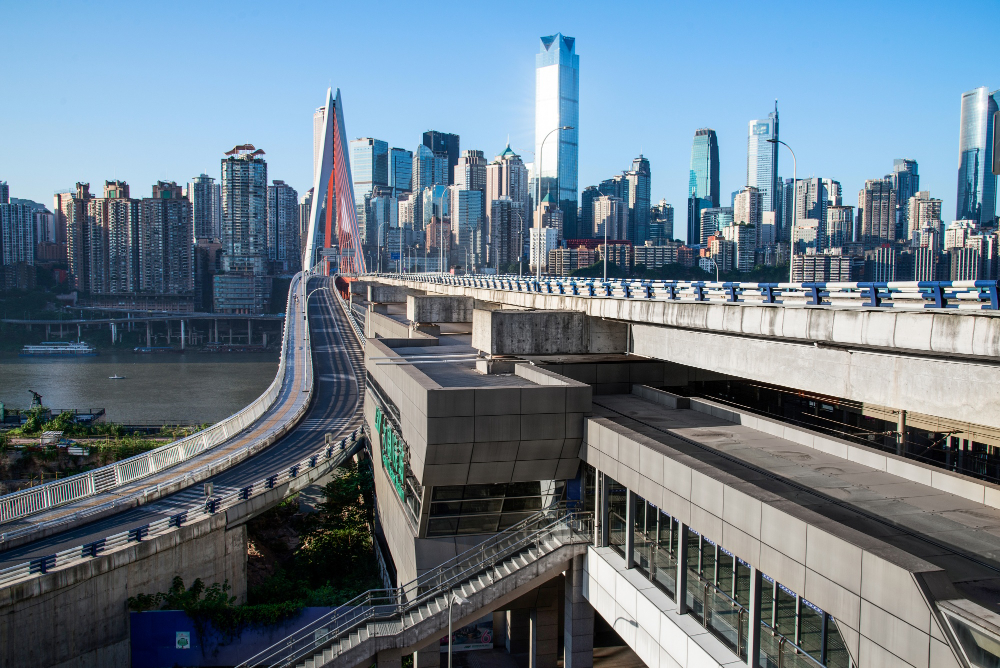
In the span of just four decades, the world has witnessed a demographic shift of unprecedented scale. Hundreds of millions of people have moved from rural villages to bustling urban centers, fundamentally altering the economic and social fabric of the largest nation on Earth. This phenomenon, driven by deliberate state policy and market forces, has transformed China from a predominantly agrarian society into an urban powerhouse. The story of China’s urbanization is not merely one of population movement; it is a complex narrative of strategic planning, infrastructure development, regulatory evolution, and the challenges inherent in managing hyper-growth. Understanding the mechanics behind this transformation offers critical insights into global economics, urban planning, and the future of human settlement patterns.
The Engine of Transformation: From Hukou to High-Rises
The foundation of modern Chinese urbanization lies in the systematic dismantling of barriers that once kept the population stationary. For decades, the hukou system, a household registration policy established in the 1950s, strictly tied citizens to their place of birth, effectively preventing rural-to-urban migration. This system ensured food security and industrial stability during the early years of the People’s Republic but eventually became a bottleneck for economic modernization. As the reform and opening-up policies gained momentum in the late 1970s, the demand for labor in coastal manufacturing hubs necessitated a relaxation of these rigid controls.
The initial phase of urbanization was characterized by the rise of Special Economic Zones (SEZs). Cities like Shenzhen, which transformed from a fishing village into a global technology hub, served as testing grounds for market-oriented reforms. The National Bureau of Statistics of China provides extensive data illustrating how these zones acted as magnets for internal migration, drawing workers seeking higher wages and better living standards. The government’s strategy was not accidental; it was a calculated move to concentrate resources, infrastructure, and talent in specific geographic areas to maximize economic output.
As the 21st century progressed, the focus shifted from simply allowing migration to actively managing it through comprehensive urban planning. The central government began to view urbanization as a primary driver of domestic consumption and economic resilience. Policies were introduced to encourage the development of city clusters rather than isolated metropolises. This approach aimed to create synergies between neighboring cities, optimizing supply chains and reducing the strain on single urban cores. The World Bank has extensively documented how this cluster-based approach has contributed to China’s sustained GDP growth, noting that urban agglomerations now account for a significant majority of the nation’s economic activity.
Infrastructure development played a pivotal role in enabling this massive population shift. The construction of the world’s largest high-speed rail network connected remote inland provinces with coastal economic powerhouses, reducing travel times from days to hours. This connectivity allowed for the efficient movement of labor and goods, effectively shrinking the geographic distance between opportunity and the workforce. The Asian Development Bank highlights that such infrastructure investments were crucial in integrating inland regions into the national economy, preventing the formation of isolated poverty pockets while fueling the growth of secondary cities.
The Megacity Phenomenon: Giants of the East
The term “megacity” typically refers to an urban area with a population exceeding ten million. In China, this classification applies to a growing list of metropolitan areas that have expanded at a breathtaking pace. Beijing, Shanghai, Guangzhou, and Shenzhen stand as the most prominent examples, each boasting populations that rival entire nations. However, the definition of a megacity in the Chinese context often extends beyond administrative boundaries to include the broader metropolitan region, encompassing satellite towns and interconnected urban zones.
Shanghai serves as a quintessential case study in megacity evolution. As China’s financial capital, it has attracted global corporations, top-tier talent, and massive capital inflows. The city’s skyline, dominated by the iconic towers of the Lujiazui financial district, symbolizes the country’s economic ascent. Yet, the growth of Shanghai is not just about skyscrapers; it involves the creation of sophisticated public transit systems, green spaces, and cultural institutions designed to support a dense population. The Shanghai Municipal Government regularly updates on initiatives aimed at balancing rapid expansion with livability, focusing on sustainable urban management practices.
Beijing, the political and cultural heart of the nation, presents a different set of dynamics. Its growth has been heavily influenced by its status as the capital, attracting government agencies, educational institutions, and state-owned enterprises. However, the concentration of functions in Beijing led to severe congestion and environmental challenges, prompting the central government to initiate the Jing-Jin-Ji integration plan. This strategy aims to redistribute non-capital functions to neighboring Tianjin and Hebei province, creating a balanced regional ecosystem. Detailed analysis from Brookings Institution suggests that this decentralization effort is a critical test case for managing megacity sprawl and promoting regional equity.
In the south, the Pearl River Delta has evolved into a contiguous urban region where the boundaries between cities like Guangzhou, Shenzhen, Dongguan, and Foshan have become increasingly blurred. This megalopolis functions as a single economic engine, specializing in manufacturing, technology, and export logistics. The seamless integration of these cities is facilitated by interoperable transit cards, shared industrial parks, and coordinated environmental policies. The Centre for Liveable Cities has studied this region as a model for polycentric urban development, where multiple centers of activity reduce the pressure on any single core while maintaining high levels of economic productivity.
The rapid ascent of these megacities has not been without friction. Issues such as housing affordability, traffic congestion, and environmental degradation have emerged as significant challenges. In response, local governments have implemented strict purchase restrictions, license plate lotteries, and aggressive air quality improvement plans. These measures reflect a shifting paradigm where the quality of urban life is becoming as important as the rate of growth. The United Nations Human Settlements Programme (UN-Habitat) emphasizes that China’s approach to mitigating these urban ills offers valuable lessons for other developing nations facing similar trajectories.
Strategic Shifts: The New-Type Urbanization Plan
Recognizing the limitations of speed-focused growth, the Chinese government launched the “New-Type Urbanization” plan in 2014. This policy framework marked a significant departure from previous strategies, prioritizing the quality of urbanization over sheer speed. The core objective was to integrate migrant workers into the urban social fabric, granting them access to public services such as education, healthcare, and housing, regardless of their hukou status. This human-centric approach aimed to convert the floating population into permanent urban residents, thereby boosting domestic consumption and social stability.
A key component of this plan is the reform of the hukou system itself. While first-tier cities like Beijing and Shanghai maintain strict entry controls due to capacity constraints, smaller and medium-sized cities have been encouraged to completely abolish residency restrictions. This tiered approach seeks to guide population flows towards emerging urban centers, alleviating pressure on megacities while stimulating growth in less developed regions. The National Development and Reform Commission (NDRC) has issued successive guidelines reinforcing this strategy, outlining specific targets for urban residency rates and public service coverage.
Environmental sustainability has also taken center stage in the new policy framework. The concept of “sponge cities” was introduced to address urban flooding and water management issues. By utilizing permeable pavements, green roofs, and restored wetlands, these cities aim to absorb and reuse rainwater naturally. Pilot projects in cities like Wuhan and Nanning have demonstrated the effectiveness of these nature-based solutions in mitigating the impacts of climate change. The World Resources Institute has collaborated with Chinese municipalities to promote these sustainable practices, highlighting their potential to enhance urban resilience.
Furthermore, the New-Type Urbanization plan emphasizes the importance of cultural preservation amidst rapid modernization. There is a growing recognition that destroying historical neighborhoods to make way for high-rises erodes the social identity of communities. Consequently, policies now encourage the renovation and adaptive reuse of historic districts, blending traditional architecture with modern amenities. This shift reflects a broader understanding that a successful city is not just an economic machine but a living organism with a distinct cultural heritage.
City Clusters: The Future of Regional Development
While megacities capture the headlines, the future of China’s urban landscape lies in the development of city clusters. These agglomerations consist of a core megacity surrounded by a network of large, medium, and small cities that are functionally integrated. The government has identified several key clusters for priority development, including the Yangtze River Delta, the Greater Bay Area, and the Chengdu-Chongqing region. This strategy aims to leverage the strengths of each city within the cluster, creating a cohesive economic zone that is greater than the sum of its parts.
The Yangtze River Delta, centered around Shanghai, represents one of the most advanced examples of this model. It encompasses parts of Jiangsu, Zhejiang, and Anhui provinces, forming a highly interconnected economic powerhouse. The region benefits from a dense network of highways, railways, and waterways that facilitate the free flow of goods and people. Industrial specialization allows different cities to focus on their comparative advantages, whether it be finance in Shanghai, manufacturing in Suzhou, or e-commerce in Hangzhou. The Asian Infrastructure Investment Bank (AIIB) has funded various projects within these clusters to enhance connectivity and promote green development.
The Greater Bay Area (GBA) in the south takes integration a step further by bridging two different legal and economic systems. Comprising nine mainland cities along with Hong Kong and Macau, the GBA aims to create a world-class bay area comparable to San Francisco or Tokyo. The challenge lies in harmonizing regulations, financial systems, and professional qualifications across borders. Despite these complexities, the potential for innovation and collaboration is immense, particularly in sectors like fintech, biotechnology, and advanced manufacturing. Reports from the Peterson Institute for International Economics suggest that the success of the GBA could redefine the geopolitical economic map of Asia.
Inland clusters, such as the Chengdu-Chongqing economic circle, are being developed to balance regional disparities. By fostering growth in western China, the government hopes to reduce the reliance on coastal exports and create a robust domestic market. These inland hubs are attracting industries relocating from the coast due to rising labor costs, offering a new wave of opportunities for local populations. The strategic placement of these clusters ensures that urbanization benefits are distributed more evenly across the country, preventing the formation of a stark divide between the wealthy east and the developing west.
Challenges and Complexities in Hyper-Growth
Despite the impressive achievements, the path of China’s urbanization is fraught with challenges that require careful navigation. One of the most pressing issues is the sustainability of debt-fueled infrastructure expansion. Local governments have historically relied on land sales to finance urban development, a model that becomes precarious as land prices stabilize and debt levels rise. Ensuring fiscal health while maintaining investment in public services remains a delicate balancing act for policymakers.
Housing affordability continues to be a major concern in major urban centers. Skyrocketing property prices have placed homeownership out of reach for many young professionals and migrant workers, leading to social stratification and reduced mobility. In response, the government has promoted the development of affordable rental housing and shared ownership schemes. However, the scale of the problem requires long-term structural reforms in land supply and taxation. Analysis from the International Monetary Fund (IMF) frequently addresses these fiscal and housing dynamics, offering recommendations for sustainable urban finance.
Environmental degradation, although improving, remains a legacy issue. Decades of rapid industrialization have left many cities with polluted air, contaminated soil, and stressed water resources. While aggressive cleanup campaigns have yielded positive results, the transition to a low-carbon urban economy demands continued vigilance and investment. The adoption of electric vehicles, renewable energy sources, and strict emission standards are critical steps in this direction. The Natural Resources Defense Council (NRDC) tracks these efforts, providing independent assessments of China’s progress toward its environmental goals.
Social integration poses another significant hurdle. Millions of migrant workers live in cities without full access to social welfare benefits, creating a dual structure within urban societies. Bridging this gap is essential for social cohesion and long-term economic stability. The successful implementation of hukou reforms and the expansion of public services to all residents are vital for creating inclusive cities where everyone has the opportunity to thrive.
| Feature | Traditional Urbanization Model | New-Type Urbanization Model |
|---|---|---|
| Primary Driver | Land expansion and infrastructure investment | Human-centric development and quality of life |
| Migration Policy | Restricted movement via strict hukou controls | Tiered relaxation; integration of migrants |
| Focus Area | Individual megacity growth | Integrated city clusters and regional synergy |
| Environmental Approach | Reactive cleanup after industrialization | Proactive “Sponge City” and green design |
| Economic Base | Export-oriented manufacturing and construction | Domestic consumption, services, and innovation |
| Social Welfare | Limited access for non-local residents | Equal access to public services regardless of origin |
| Financing Model | Heavy reliance on land sales and local debt | Diversified funding and sustainable fiscal practices |
| Cultural Stance | Demolition and redevelopment | Preservation and adaptive reuse of heritage |
Navigating the Urban Future: Insights and Implications
The trajectory of China’s urbanization offers profound implications for the rest of the world. As the largest experiment in human settlement history, it provides a real-time laboratory for testing theories of urban economics, governance, and sustainability. The successes and failures of Chinese policies serve as a reference point for other nations grappling with rapid urban growth, particularly in Africa and South Asia.
For urban planners and policymakers globally, the Chinese experience underscores the importance of flexibility and adaptability. The shift from a quantity-focused approach to a quality-focused one demonstrates that urban strategies must evolve in response to changing economic conditions and societal needs. The emphasis on city clusters suggests that regional cooperation is essential for managing the complexities of modern urbanization. Furthermore, the integration of technology and data in urban management highlights the potential of smart city solutions to improve efficiency and livability.
Investors and businesses looking at the Chinese market must understand the nuances of these urban policies. The focus on inland clusters and second-tier cities presents new opportunities for expansion beyond the saturated first-tier markets. Industries related to green technology, elderly care, and digital services are poised for growth as cities mature and demographics shift. Understanding the regulatory environment and the government’s long-term vision is crucial for making informed strategic decisions.
The human element remains at the core of this vast transformation. Behind the statistics and policy documents are hundreds of millions of individuals seeking better lives. Their aspirations, challenges, and contributions shape the reality of China’s cities. Ensuring that urbanization delivers tangible benefits to all residents, not just a privileged few, is the ultimate measure of success. The ongoing efforts to reform the hukou system and expand social safety nets are critical steps toward achieving this goal.
Frequently Asked Questions
What is the hukou system and how does it affect urbanization?
The hukou system is a household registration record that officially identifies a person as a resident of a specific area. Historically, it restricted rural-to-urban migration by tying social benefits to one’s place of registration. Recent reforms have relaxed these restrictions in smaller cities and aim to integrate long-term migrant workers in larger cities, though top-tier metropolises still maintain strict controls to manage population density.
How many megacities are there currently in China?
China is home to several megacities with populations exceeding ten million, including Shanghai, Beijing, Chongqing, Guangzhou, Shenzhen, Tianjin, and Wuhan. Depending on whether the measurement includes the administrative area or the functional metropolitan region, the number can vary. The trend indicates that more cities will cross this threshold as urbanization continues.
What are “Sponge Cities” and why are they important?
“Sponge Cities” are urban areas designed to absorb and reuse rainwater naturally through permeable surfaces, green roofs, and wetlands. This concept is crucial for China to combat urban flooding, reduce water scarcity, and mitigate the heat island effect. It represents a shift towards ecological civilization and sustainable urban infrastructure.
How does the government plan to manage the debt associated with urban development?
The central government is implementing stricter debt controls on local governments and encouraging a shift away from land-sale dependency. Measures include promoting public-private partnerships, issuing special bonds for specific projects, and focusing on high-return investments in technology and services rather than pure infrastructure expansion.
What is the role of city clusters in China’s future planning?
City clusters are intended to drive regional integration, allowing cities to specialize and share resources. By connecting megacities with surrounding smaller cities through high-speed transport and unified policies, the government aims to create efficient economic zones that reduce congestion in core cities while spreading prosperity to the wider region.
How does urbanization impact China’s environment?
Rapid urbanization has historically led to significant pollution and resource depletion. However, recent policies prioritize green development, with strict emission standards, massive investments in renewable energy, and the promotion of electric vehicles. The goal is to decouple economic growth from environmental degradation.
What opportunities exist for foreign businesses in China’s urban sector?
Foreign businesses can find opportunities in areas such as sustainable building technologies, smart city solutions, healthcare services for an aging urban population, and consumer services targeting the rising middle class in second and third-tier cities. Alignment with the “New-Type Urbanization” goals is key to success.
How is housing affordability being addressed in major cities?
Strategies include increasing the supply of affordable rental housing, implementing purchase restrictions to curb speculation, and exploring shared ownership models. The government is also pushing for the development of satellite towns connected by transit to provide more affordable options near job centers.
What is the significance of the Greater Bay Area?
The Greater Bay Area is a strategic initiative to integrate nine mainland cities with Hong Kong and Macau into a world-class economic hub. It aims to foster innovation, facilitate cross-border trade, and serve as a gateway for China’s opening-up policies, leveraging the unique strengths of each city within the cluster.
How does China’s urbanization compare to other developing nations?
China’s urbanization is unique in its speed, scale, and the degree of state involvement. While other nations face similar challenges, China’s ability to mobilize resources for infrastructure and implement sweeping policy changes offers a distinct model. However, the social and environmental lessons learned are universally applicable.
Conclusion: The Ongoing Evolution of the Urban Landscape
The story of China’s urbanization is far from over; it is merely entering a new, more sophisticated chapter. The transition from rapid expansion to high-quality development marks a maturation of the country’s urban strategy. The focus has shifted from building cities to nurturing them, ensuring they are sustainable, inclusive, and resilient. This evolution reflects a deeper understanding of what makes a city truly great—not just its size or skyline, but its ability to provide a good life for all its inhabitants.
The policies driving this change, from hukou reforms to the development of city clusters, demonstrate a commitment to addressing the complex challenges of the 21st century. As China continues to navigate the intricacies of megacity growth, the world watches closely. The outcomes of these experiments will shape not only the future of China but also the global discourse on urbanization. For stakeholders everywhere, the lesson is clear: successful urbanization requires a balance of vision, flexibility, and an unwavering focus on human well-being. The concrete and steel of China’s cities are the physical manifestation of this ambition, standing as testaments to what is possible when strategic planning meets human aspiration.