Beijing – The Heart of China’s Past, Present, and Future
Beijing, the capital of the People’s Republic of China, is a city where ancient history seamlessly blends with modern development. As one of the world’s most populous and influential cities, Beijing offers a rich tapestry of cultural landmarks, economic significance, and urban innovation.
Why Beijing Matters
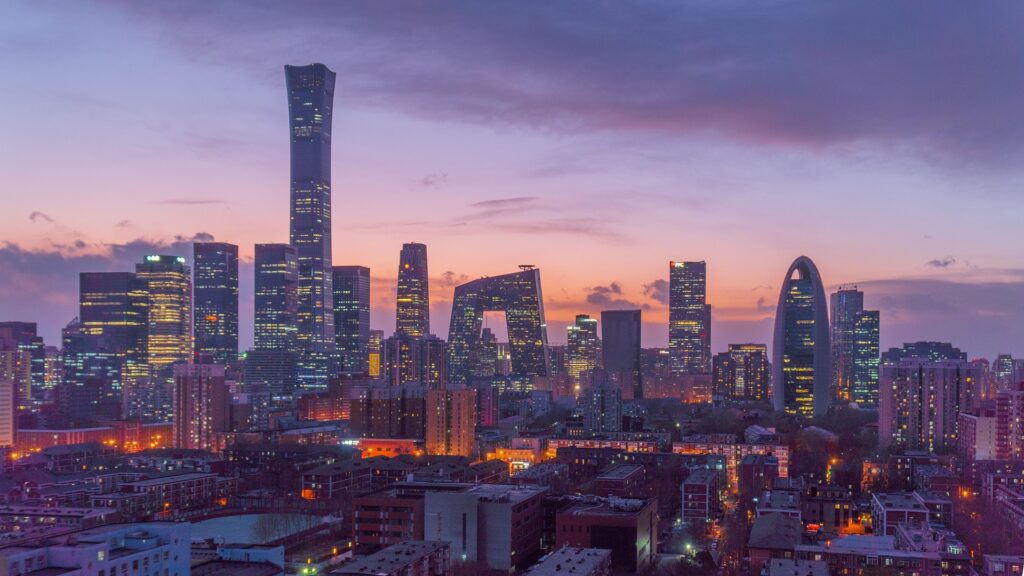
Located in northern China, Beijing (北京) has been the capital for over 800 years and is home to over 21 million people. From imperial palaces and bustling hutongs to cutting-edge technology zones, Beijing is a city of contrasts — steeped in tradition yet always evolving.
Beijing is more than just China’s capital—it’s a living museum, a tech hub, and a launchpad into the country’s history and future. From emperors to entrepreneurs, Beijing has been home to the people shaping China for centuries.
Historical Significance
Beijing’s history spans over 3,000 years, serving as the capital for several dynasties, including the Yuan, Ming, and Qing. This deep historical roots are evident in its numerous UNESCO World Heritage Sites:
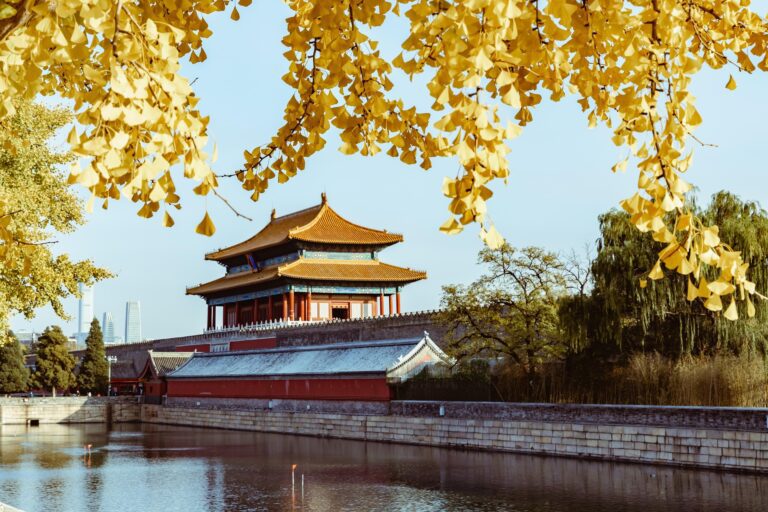
The Forbidden City (故宫): Once the imperial palace, this vast complex showcases traditional Chinese architecture and houses the Palace Museum.
Temple of Heaven (天坛): An iconic religious site where emperors performed ceremonies to ensure good harvests, renowned for its circular design and serene ambiance.
Ming Tombs (明十三陵): The burial grounds of 13 Ming dynasty emperors, offering insights into China’s imperial past.
Great Wall Sections (长城): Notably Badaling and Mutianyu, these well-preserved stretches provide panoramic views and a glimpse into China’s defensive history.
Tiananmen Square (天安门广场): One of the largest public squares in the world, surrounded by significant buildings like the Great Hall of the People and the National Museum of China.
Cultural Landscape
Beyond its historical sites, Beijing is a hub of cultural expression:
Peking Opera: A traditional art form combining music, vocal performance, mime, dance, and acrobatics, offering a unique theatrical experience.
Art Districts: Areas like 798 Art Zone are filled with contemporary art galleries, studios, and exhibitions, reflecting China’s modern creative scene.
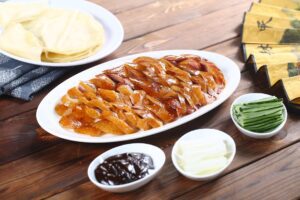
Culinary Delights: The city is famous for its diverse cuisine, especially Peking duck, a dish celebrated for its crispy skin and tender meat.
Economic and Technological Hub
Beijing stands as a powerhouse in both national and global contexts:
Economic Growth: The city boasts a robust economy, with strengths in sectors like finance, technology, and manufacturing.
Innovation Center: Home to Zhongguancun, often dubbed “China’s Silicon Valley,” Beijing leads in technological advancements and startups.
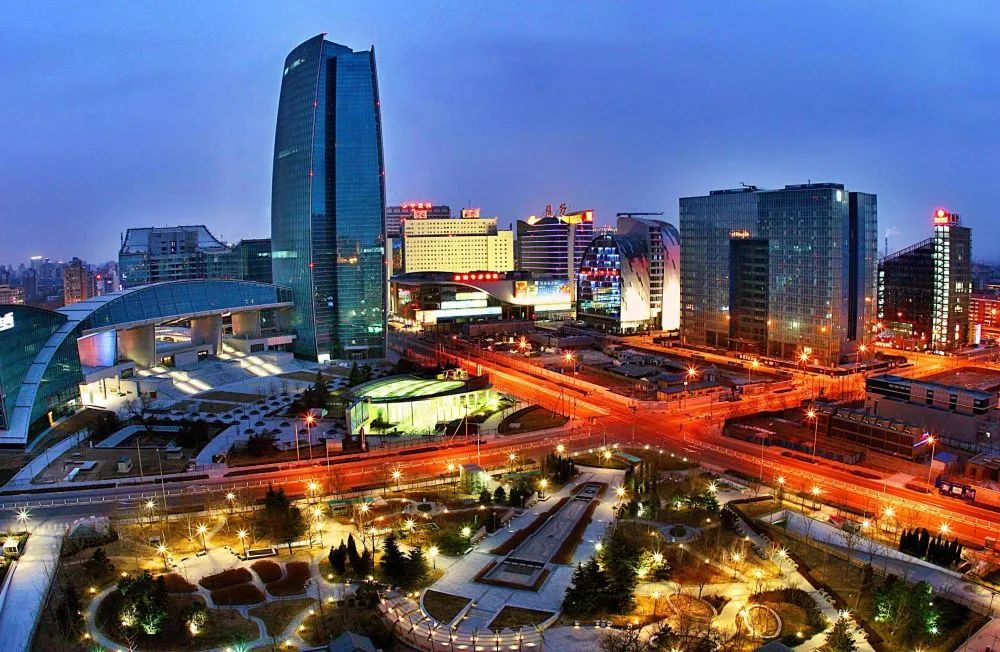
Infrastructure Development: Modern skyscrapers, extensive subway systems, and world-class airports highlight the city’s commitment to urban development.
What to Eat in Beijing
Beijing’s food scene is a delicious mix of imperial cuisine, northern flavors, and modern fusion. Don’t miss:
Peking Duck (北京烤鸭): Crispy, succulent, and traditionally served with pancakes and hoisin sauce.
Zhajiangmian (炸酱面): Beijing-style noodles with savory soybean paste.
Street snacks: Try jianbing (savory crepes), baozi (steamed buns), and skewers in the night markets.
Doing Business in Beijing
As China’s political and economic powerhouse, Beijing is an essential stop for investors and professionals.
Headquarters for many state-owned enterprises (SOEs)
A growing tech and innovation ecosystem (Zhongguancun is known as “China’s Silicon Valley”)
A center for diplomatic and international business activity
Looking to do business in China? Beijing offers unmatched access to policymakers, industry leaders, and world-class infrastructure.
Travel Tips
Planning a visit to Beijing? Here are some tips to enhance your experience:
Best Time to Visit: Spring (April to May) and autumn (September to October) offer mild temperatures and clear skies.
Transportation: The city boasts an extensive public transportation network, including buses and subways, making it easy to navigate.
Cultural Etiquette: Respect local customs, especially when visiting religious sites. Learning a few basic Mandarin phrases can enhance interactions.
Final Thoughts
Beijing is more than just a city — it’s a living, breathing reflection of China’s past and its future. Whether you’re visiting for a few days or considering a long-term move, Beijing has something to inspire, challenge, and fascinate everyone.
Doing business? Looking to undertand China? Planning a trip? Studying Chinese?
Contact us for customized insights, services, and any assistance: contact@chinanalysis.com
FAQ's - Frequently Asked Questions About Beijing
Is Beijing safe for tourists?
Yes, Beijing is generally very safe for tourists. Petty crime is rare, and public transportation is reliable. As always, keep an eye on your belongings in crowded areas.
Do I need a visa to visit Beijing?
What is the best time to visit Beijing?
The best seasons are spring (April–May) and autumn (September–October) when temperatures are pleasant, and the air quality is better.
Can I use Google, Facebook, or WhatsApp in Beijing?
These platforms are blocked in mainland China, including Beijing. Download a reliable VPN before arriving if you plan to access these services.
Is it easy to get around Beijing without speaking Chinese?
It can be challenging outside of major tourist areas. Most signs in the metro are in English and Mandarin. Apps like Google Translate, Pleco, and DiDi (China’s Uber) are highly recommended.
What currency is used in Beijing, and can I use credit cards?
The currency is the Chinese Yuan (CNY or RMB). Cashless payments (like Alipay and WeChat Pay) dominate, but tourists can now register and use these apps with foreign cards. Bring some cash for smaller vendors.
What are some cultural etiquette tips in Beijing?
Don’t point with your finger; use your whole hand.
Avoid political discussions.
Be respectful in temples (no flash photography, speak softly).
Bring your own tissues—many public bathrooms don’t provide them.
Can I drink tap water in Beijing?
No, tap water is not safe to drink. Always drink bottled or filtered water.